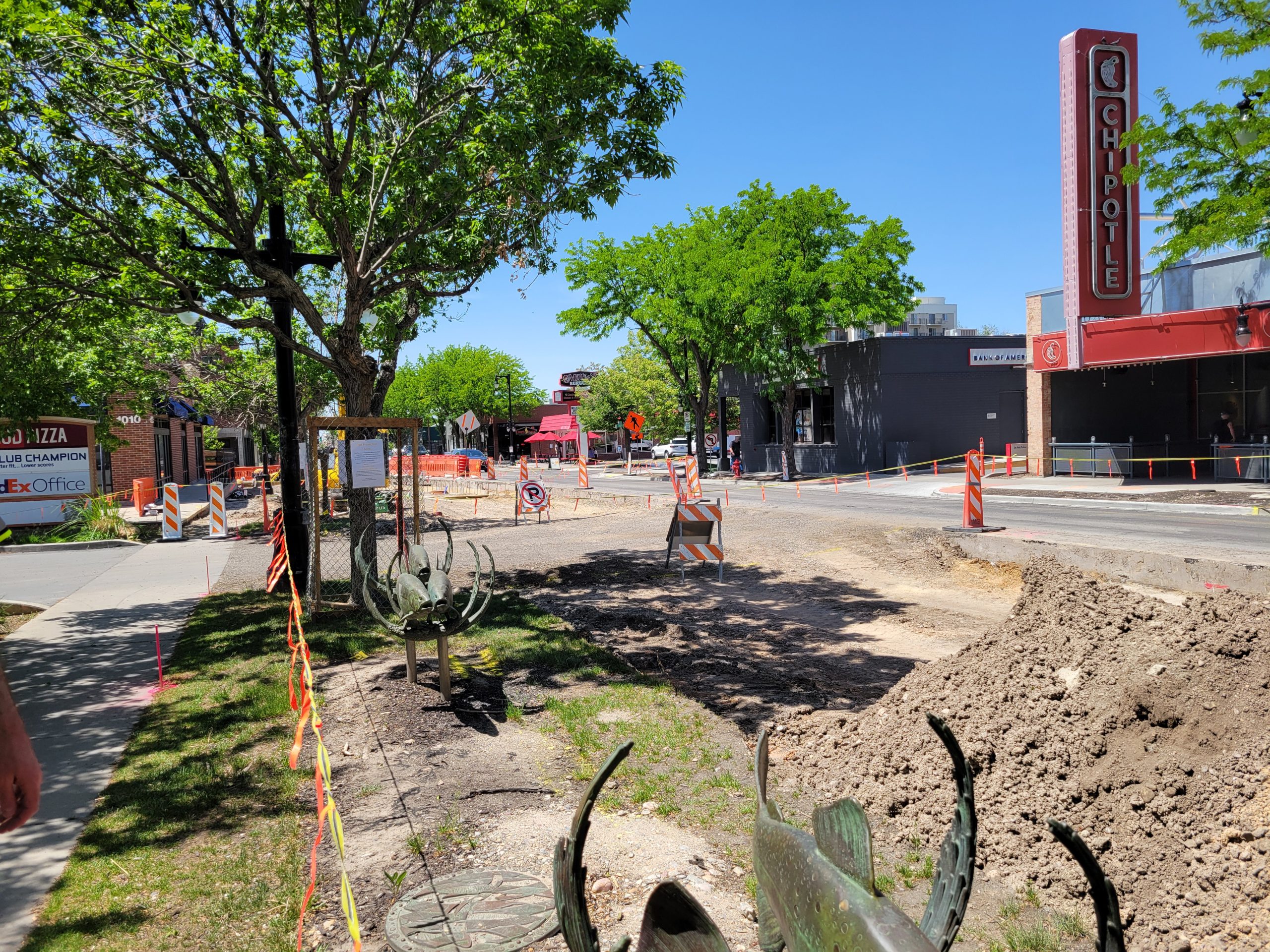
Moving beyond traditional roadway reconstruction, the project emphasized multimodal transportation by adding dedicated pedestrian and bicycle facilities, resilient drainage infrastructure, and environmentally sensitive erosion and sediment controls. Working within tight right-of-way constraints and navigating numerous utility conflicts, our team developed detailed phased construction plans and employed targeted ground-improvement techniques to stabilize variable soil conditions and protect adjacent resources. Key objectives included shifting the corridor away from a purely car-centric design towards a more balanced, accessible streetscape that enhances community quality of life. To minimize disruption, we coordinated closely with utility providers to map and avoid conflicts and kept open lines of communication throughout construction sequencing to ensure smooth progress and service continuity. Success depended on collaborative partnerships with city, state, and county agencies and all affected utility companies. Through regular meetings, design workshops, and ongoing feedback sessions, Civil Science incorporated stakeholder input at every stage. The result is a transformed transportation corridor that delivers safer, more efficient, and more sustainable mobility for Sugar House residents.
2100 South SLC Write up